☎ 0790794369 📍 View location on the map ⌚ Sat–Wed: 9 AM–5 PM · Thu: 9 AM–2 PM
News & Tips

Hearing Aid News, Health & Tips

The latest in hearing technology, hearing health and practical everyday tips — explained simply.

Technologies

Following Several Speakers at Once: Multi-Stream Hearing Technology

Group conversations in noisy places are the hardest situation for hearing aid wearers. New multi-stream processing tracks several moving speakers in real time.

Read moreShow less

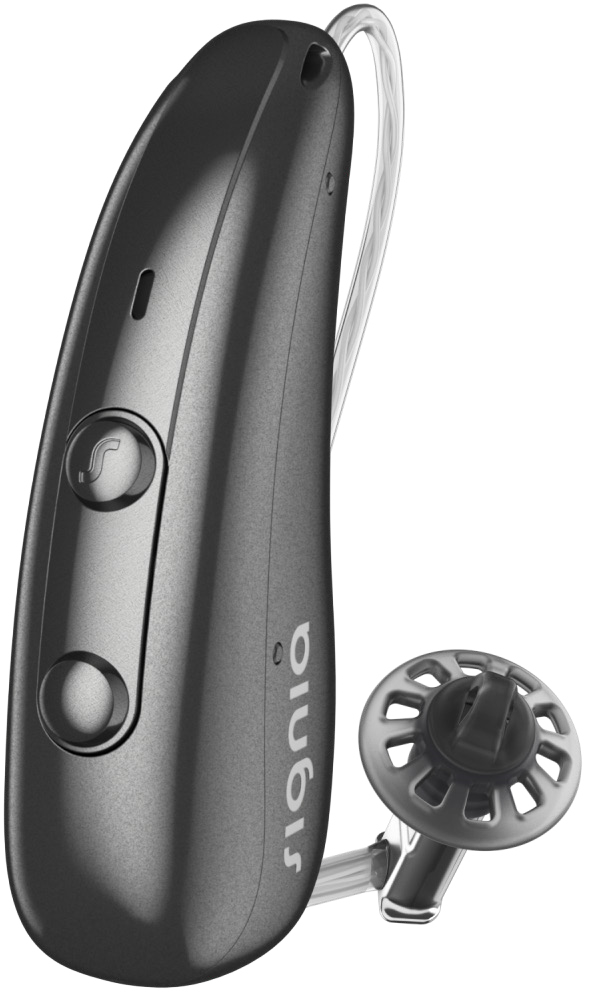
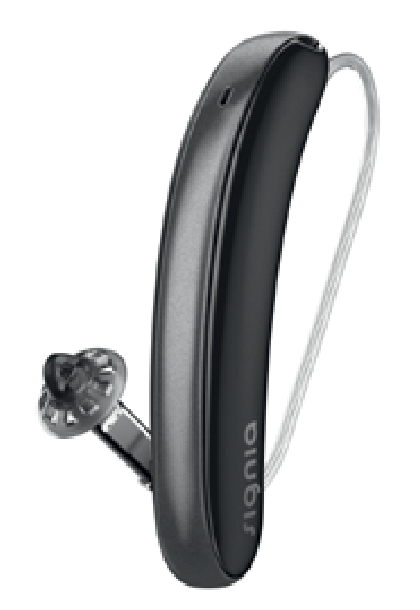
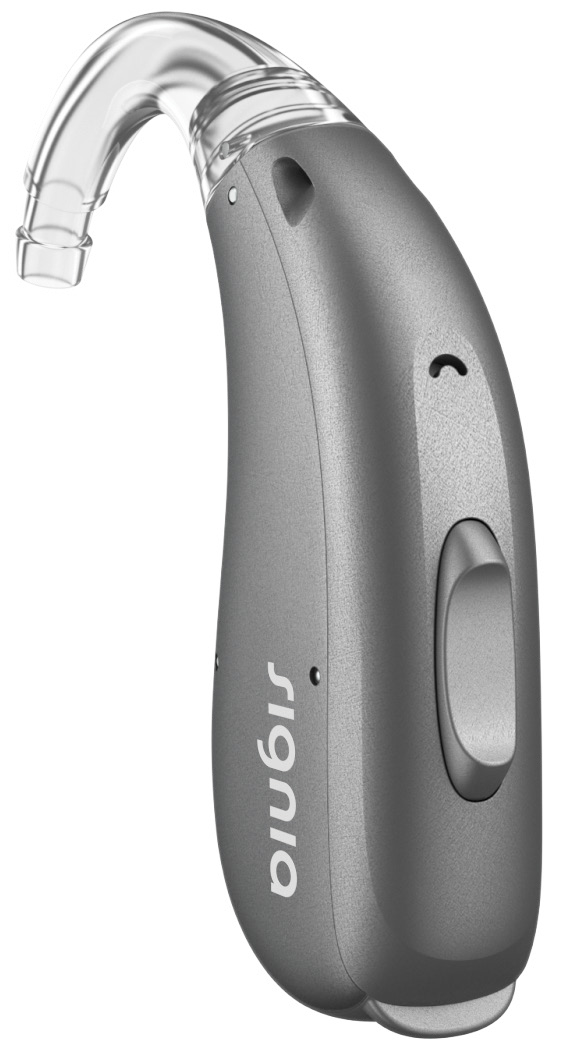
Signia Integrated Xperience (IX) is described by Signia as the first hearing aid platform with a multi-stream architecture able to pinpoint multiple moving speakers during a conversation. Its RealTime Conversation Enhancement keeps voices in focus as people and the wearer turn their heads — ideal for family gatherings, restaurants and meetings. It is available in models such as Pure Charge&Go T IX, Styletto IX and Silk Charge&Go IX.

Technologies

How Artificial Intelligence Is Changing Hearing Aids

Modern hearing aids use machine learning to recognise your listening environment and adjust automatically — from a quiet room to a busy street.

Read moreShow less

Instead of switching programs manually, today’s devices analyse incoming sound many times per second, separate speech from noise and adapt directionality, noise reduction and volume on their own. Many also learn from the adjustments you make in the smartphone app, so the sound becomes more personal over time. Your audiologist can then fine-tune these automatic settings during follow-up visits.

Technologies

Rechargeable Hearing Aids: A Full Day of Power

Lithium-ion rechargeable hearing aids are quickly replacing disposable batteries — no more fiddling with tiny cells.

Read moreShow less

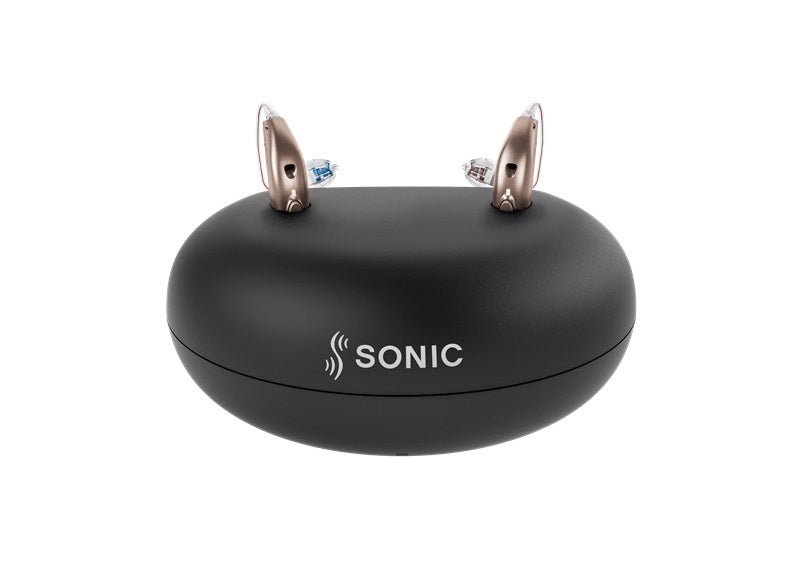
Rechargeable models such as Radiant SE miniRITE T R provide a full day of use — about 18 hours, including streaming — and reach full charge in around 3 hours overnight. Portable chargers with built-in power banks, like Charger Plus, add extra charges when travelling. Rechargeables are especially helpful for people with limited dexterity or vision, and they reduce battery waste.

Technologies

Remote Fitting: Hearing Aid Adjustments From Home

Teleaudiology lets your hearing care professional fine-tune your hearing aids over a video call — no clinic visit needed.

Read moreShow less

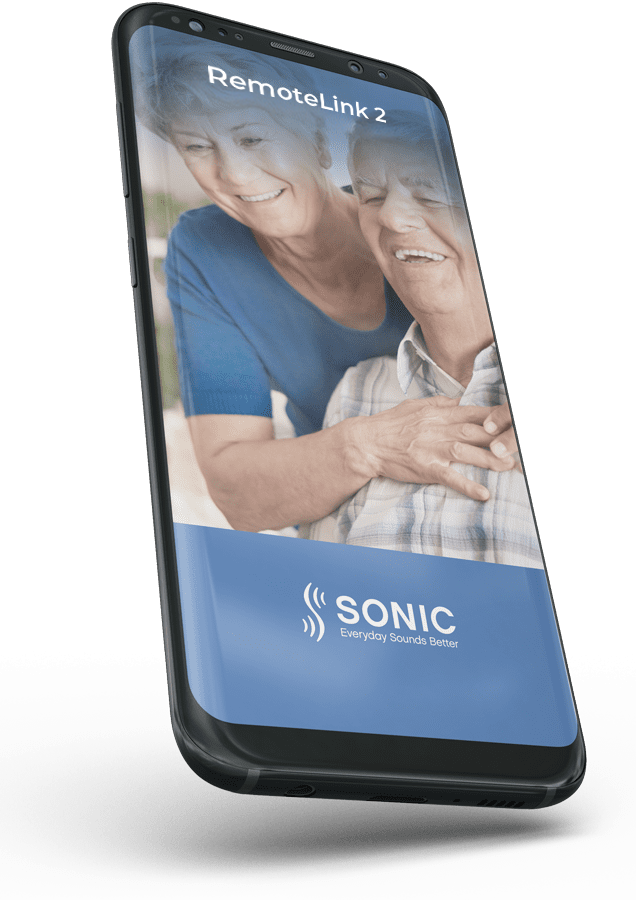
With apps such as Sonic RemoteLink 2, wearers can connect with their audiologist through video, voice or text, and receive real-time adjustments to their hearing aids. The same app lets you change volume and programs, check battery status and find misplaced hearing aids. A first face-to-face fitting is still required before remote sessions can begin.

Technologies

Hearing Aids That Look Like Earbuds

A new generation of hearing aids borrows its design from wireless earbuds — helping more people feel comfortable wearing them.

Read moreShow less

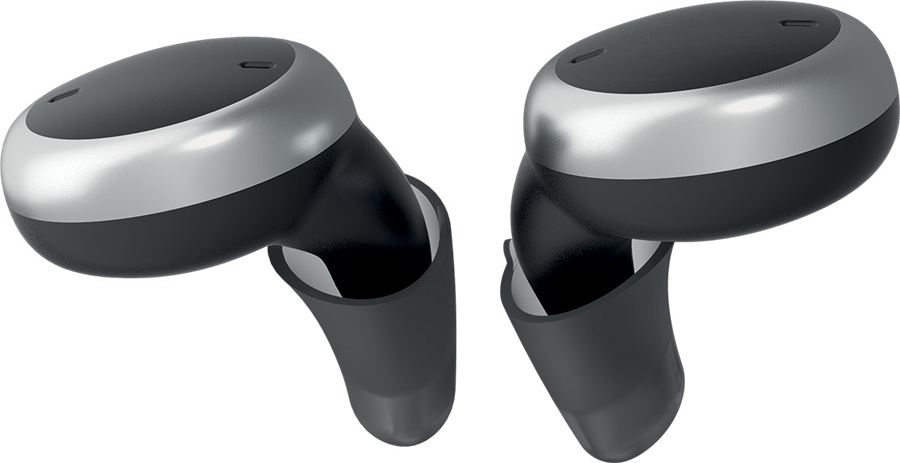
Earbud-style devices such as Signia Active Pro combine hearing-aid sound processing with a familiar, modern look. For many first-time users, especially younger adults, this design removes a major barrier to getting help. As with any hearing aid, a professional hearing test and fitting make sure the device is set correctly for your hearing.

Technologies

Streaming TV, Music and Calls Straight to Your Hearing Aids

Connected hearing aids now work like wireless headphones — sound from your phone and TV goes directly into your ears.

Read moreShow less

Made for iPhone® and Android™ (ASHA) compatibility lets you stream calls and music without extra devices, and some models support hands-free calls on iPhone and iPad. For television, adapters such as Sonic TV-A send high-quality stereo sound straight to your hearing aids at your own volume, while family members listen at theirs.

Technologies

Tinnitus Relief Built Into Your Hearing Aids

Many modern hearing aids include sound-therapy programs that can make ringing in the ears less noticeable.

Read moreShow less

Features such as Sonic Tinnitus SoundSupport play soft, adjustable relief sounds — like gentle noise or ocean-type sounds — through the hearing aids. Amplifying everyday sounds also helps, because it gives the brain more to focus on than the tinnitus. The relief sounds can be adjusted in the RemoteLink 2 app, and your audiologist sets them up to suit you.

Technologies

IP68: Hearing Aids Built for Real Life

Today’s hearing aids are tested for protection against dust, water and moisture — ready for sweat, rain and busy days.

Read moreShow less

An IP68 rating means a device is dust-tight and protected against water immersion under test conditions. Many current models, including Sonic hearing aids, carry this rating, and hydrophobic nano-coatings help repel moisture. It is still best to remove your hearing aids before showering or swimming — IP68 protects against everyday accidents, not regular swims.

Technologies

CROS Hearing Aids for Hearing Loss in One Ear

If one ear cannot benefit from a hearing aid, a CROS system sends sound from that side to your better ear.

Read moreShow less

People with single-sided deafness often miss conversations on their poorer side. A CROS transmitter worn on that ear picks up sound and streams it wirelessly to a hearing aid on the better ear, so you hear from both directions. Signia offers CROS options such as CROS Styletto IX, and CROS compatibility is available across several product families.

Health

Hearing and Brain Health: Why Treating Hearing Loss Matters

International research reviews, including the Lancet Commission on dementia, list untreated hearing loss among the leading modifiable risk factors for dementia.

Read moreShow less

When hearing is reduced, the brain works harder to decode speech and people may withdraw from conversations and social life. Researchers suggest that treating hearing loss — for example with properly fitted hearing aids — is one of the steps that may help protect cognitive health. The key message: don’t wait. Early diagnosis and consistent use of hearing aids help you stay connected.

Health

Newborn Hearing Screening: Fast, Painless and Vital

Otoacoustic emission (OAE) screening checks a baby’s hearing in minutes — while the baby sleeps.

Read moreShow less

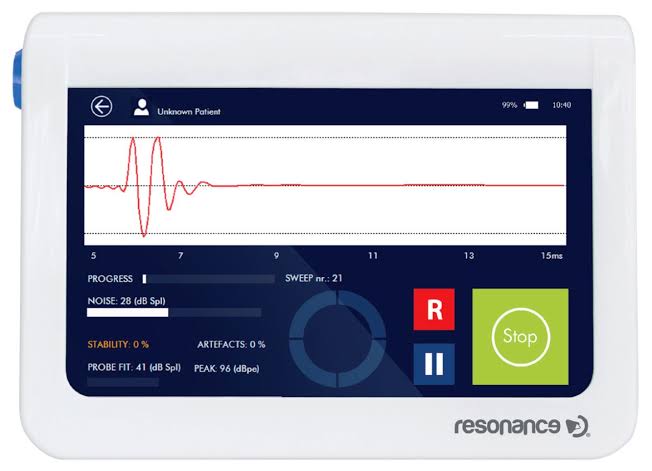
Early detection is critical, because the first months of life are the most important for speech and language development. Portable screeners such as the Resonance r14o use TEOAE and DPOAE protocols: a soft probe in the ear canal measures the tiny echoes produced by a healthy inner ear. If a baby does not pass, a full diagnostic assessment follows so that support can start early.

Health

WHO: Over 1 Billion Young People at Risk From Unsafe Listening

The World Health Organization warns that loud music through earphones and at venues puts young people’s hearing at risk.

Read moreShow less

According to WHO, more than 1 billion young people are at risk of permanent, avoidable hearing loss due to unsafe listening practices. Noise damage builds up over time and cannot be reversed, but it can be prevented: keep the volume down, limit listening time, and take listening breaks. WHO’s “Make Listening Safe” initiative encourages devices that track your sound exposure.

Health

Age-Related Hearing Loss: The Signs to Watch For

Hearing often declines so gradually with age that many people do not notice it for years.

Read moreShow less

Age-related hearing loss (presbycusis) usually affects both ears and high-pitched sounds first — so voices seem to mumble, and women’s and children’s voices become harder to follow. Common signs include turning the TV up, asking people to repeat themselves and struggling in restaurants. Because the change is slow, family members often notice it first. A hearing test gives a clear answer.

Health

Understanding Tinnitus

Ringing, buzzing or hissing in the ears is very common — and in most cases it can be managed.

Read moreShow less

Tinnitus is the perception of sound without an outside source. It is often linked to hearing loss, noise exposure, earwax or ear infections, and can be affected by stress and poor sleep. Tinnitus that is sudden, only in one ear, or pulses with your heartbeat should be checked by a doctor. A hearing assessment is the first step, and options include hearing aids, sound therapy and counselling.

Health

Ear Infections and Hearing in Children

Middle-ear infections and fluid behind the eardrum (“glue ear”) are common in young children and can temporarily reduce hearing.

Read moreShow less

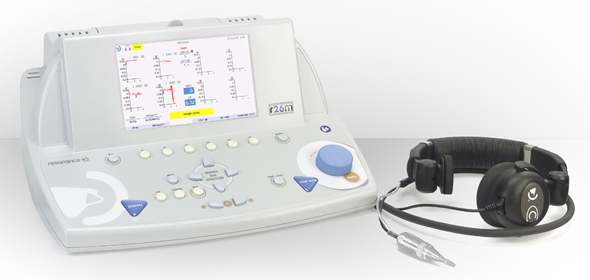
When fluid stays in the middle ear, sound cannot travel through as well — which may affect attention, speech and learning. Signs include not responding to their name, turning the TV up or speaking loudly. Tympanometry, measured with a middle-ear analyzer such as the Resonance r26m, is a quick, painless test that shows how well the eardrum and middle ear are working.

Health

Diabetes and Your Hearing

According to the U.S. National Institutes of Health, hearing loss is about twice as common in people with diabetes.

Read moreShow less

Researchers think high blood sugar may affect the small blood vessels and nerves of the inner ear over time. If you live with diabetes, include a hearing check in your regular health care — especially if you notice difficulty following conversations. Keeping blood sugar well controlled is good for your whole body, including your ears.

Health

Sudden Hearing Loss Is an Emergency

Losing hearing suddenly — usually in one ear — needs urgent medical attention.

Read moreShow less

Sudden sensorineural hearing loss can happen over a few hours or on waking, sometimes with a feeling of fullness, ringing or dizziness. It is often mistaken for a blocked ear. Doctors recommend seeking care as soon as possible, ideally within 72 hours, because early treatment gives the best chance of recovery. Do not wait for it to clear up on its own.

Health

Medicines That Can Affect Hearing

Some medications are known to affect the inner ear in certain people — a condition called ototoxicity.

Read moreShow less

Examples include some antibiotics, some chemotherapy drugs and high doses of certain pain relievers. If you notice ringing, dizziness or hearing changes after starting a medicine, tell your doctor — but never stop a prescribed medication on your own. For treatments known to carry this risk, doctors may arrange hearing tests before and during treatment.

Tips

A Two-Minute Daily Routine for Your Hearing Aids

A little daily care keeps your hearing aids sounding clear and working longer.

Read moreShow less

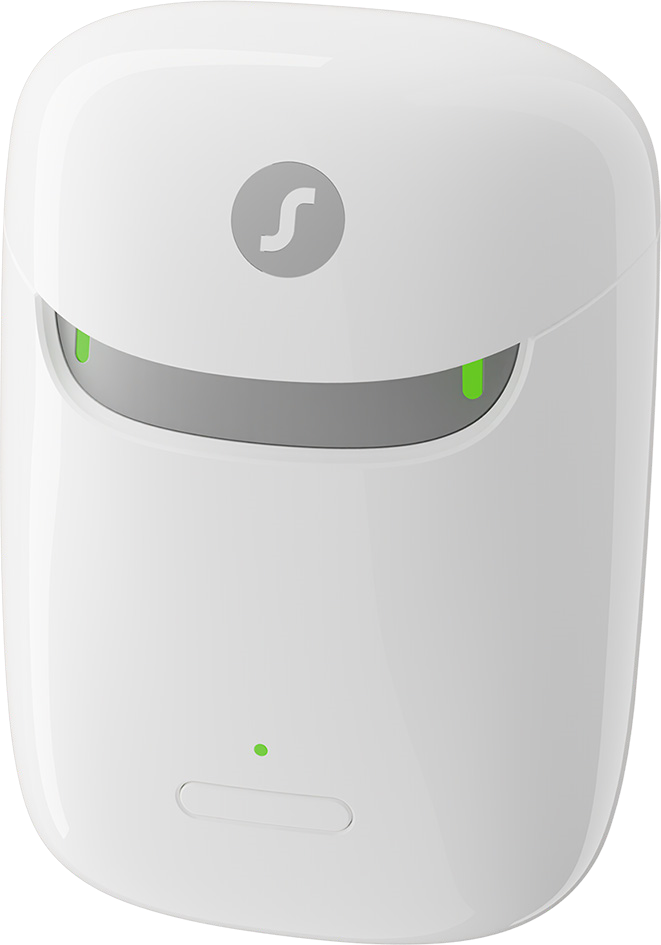
Each evening, wipe them with a soft dry cloth, brush the microphone openings gently with the cleaning brush, and check the dome or wax guard for earwax. Replace wax guards when they look blocked. Store the hearing aids in their case or charger overnight — never loose in a pocket or on a bathroom shelf.

Tips

Put Down the Cotton Swab

Ears usually clean themselves — cotton swabs can push wax deeper and even injure the ear canal.

Read moreShow less

Earwax protects the ear and naturally moves outward. Clean only the outer ear with a washcloth. If you feel blocked, have muffled hearing or wear hearing aids that keep getting wax in them, have your ears checked — wax can be removed safely by a professional.

Tips

Five Tips for Easier Conversations

Small changes make a big difference when talking with someone who has hearing loss.

Read moreShow less

Face the person and get their attention first. Keep your face visible and well lit — lip-reading helps. Speak clearly at a natural pace without shouting. Turn down the TV or move away from noise. If a sentence is not understood, rephrase it instead of repeating the same words.

Tips

Getting Used to New Hearing Aids

Your brain needs time to relearn sounds — the first weeks are part of the process.

Read moreShow less

At first, everyday sounds such as footsteps, paper and your own voice may seem loud. Wear your hearing aids every day, starting in quiet places and building up to busier ones. Most people adapt within a few weeks. Keep notes about difficult situations and bring them to your follow-up appointment so your audiologist can fine-tune the settings.

Tips

Protect Your Hearing at Weddings, Concerts and Work

Loud events are part of life — protecting your ears lets you enjoy them for years to come.

Read moreShow less

Keep your distance from loudspeakers and take quiet breaks every hour. Carry foam or reusable earplugs; musician-style earplugs lower the volume while keeping sound natural. If your job involves loud machinery, wear the hearing protection provided. Ringing or muffled hearing after an event is a warning sign that the sound was too loud.

Tips

Keep Your Hearing Aids Dry

Moisture from sweat, humidity and rain is one of the most common causes of hearing aid problems.

Read moreShow less

Take your hearing aids out before showering, swimming or using a hair dryer, and put them in after hair spray. In hot or humid weather, wipe them regularly and consider a drying box or a charger with a drying function overnight. If they get wet, do not use a heater or microwave — dry them gently and contact us if they stop working.

Tips

Battery and Charging Habits That Help

Simple habits keep your hearing aids powered all day.

Read moreShow less

For rechargeable models, make charging part of your bedtime routine and keep the charger clean and plugged in. For disposable zinc-air batteries, wait about a minute after removing the sticker before inserting the battery, store spares at room temperature, and open the battery door at night to let moisture escape. Carry spare batteries or a portable charger when travelling.

Tips

How to Talk to a Loved One About Hearing Loss

Many people wait years before seeking help. A caring conversation can make the difference.

Read moreShow less

Choose a calm, private moment. Share specific examples (“you missed the doorbell”) rather than criticism, and focus on what they are missing out on. Offer to come along to a hearing test — a free assessment is a low-pressure first step. Be patient: it can take more than one conversation.

Tips

When Should You Have a Hearing Test?

Hearing checks are not only for older adults — they are a normal part of looking after your health.

Read moreShow less

Get tested if you notice any signs of hearing difficulty, ringing in the ears, or after exposure to very loud noise. A baseline test in adulthood gives a reference point for the future, and regular checks become more important after 50. Children should be tested if there are concerns about speech, attention or ear infections. Ask your audiologist how often is right for you.

Clinic Updates

Latest News & Updates

Insights, events and updates from The Source of Life.

2026-03-12

New AI-Powered Hearing Aids Now Available

Discover the latest generation of hearing aids featuring AI-based sound processing for clearer conversations in any environment.

2026-02-28

Upgraded Diagnostic Suite Unveiled

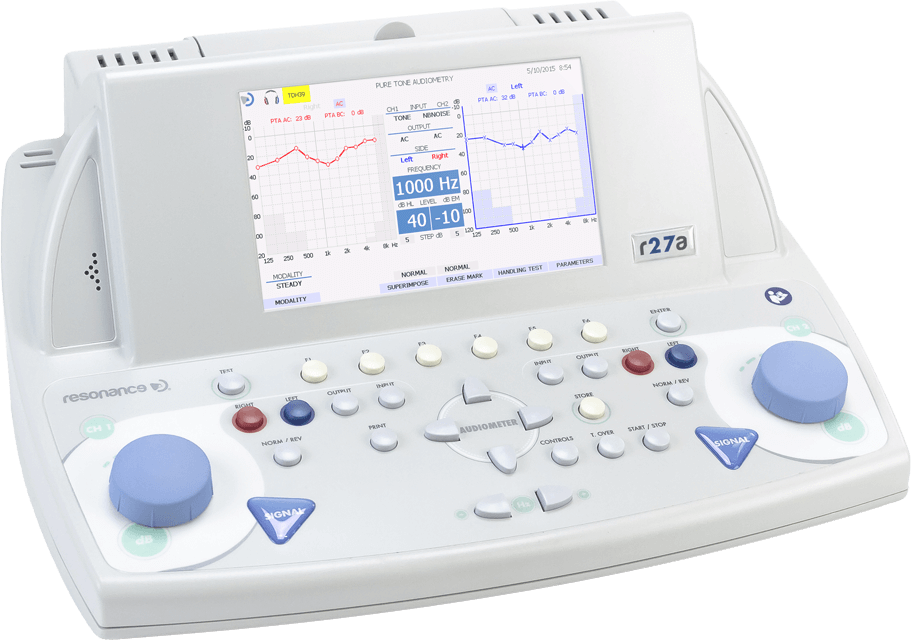
We have expanded our clinic with the latest Resonance audiometers and middle-ear analyzers for even more precise assessments.

2026-01-15

Free Community Hearing Screening Day

Join us for a free hearing screening event open to the whole community. Book your slot early to reserve your place.

2025-12-05

3D-Printed Custom Ear Moulds Launch

Our new 3D-printing technology delivers faster, more comfortable and better-fitting custom ear moulds.

2025-11-20

Pediatric Hearing Care Program Expands

We are proud to broaden our specialized hearing services for infants and children.

2025-10-08

Understanding Tinnitus: A Free Webinar

Learn about the causes of tinnitus and the latest management solutions from our expert audiologists.

Ready to Rediscover the Sounds You Love?

Take the first step today. Book your free hearing consultation with The Source of Life.

Book Your Free Consultation